
Perth, WA — March 2026 — A recent disciplinary decision in Western Australia has reinforced the serious consequences that can arise when fire safety verification and certification processes fall short of regulatory requirements.
The Western Australian Building Services Board fined a building surveying firm and its nominated supervisor after incorrect fire safety certifications were issued for a commercial building. The Board determined that Certificates of Design Compliance and Construction Compliance were signed despite fire safety elements not fully meeting applicable standards.
While the financial penalties were significant, the broader implications extend far beyond fines. The building in question accommodated sensitive occupancies, including medical services and childcare, underscoring how critical accurate fire safety certification is to public safety.
What This Case Highlights
This case demonstrates how insufficient verification and late-stage reviews can result in:
- Regulatory penalties
- Reputational damage
- Increased professional liability exposure
- Elevated public safety risk
Fire safety compliance is not a procedural formality. It is a core safeguard embedded within the building regulatory framework. When certification occurs without comprehensive validation of design intent and on-site implementation, both practitioners and occupants are placed at risk.
Why Early and Thorough Checks Matter
Early, structured and well-documented verification processes are essential.
Proactive review of fire safety measures during the design phase — followed by systematic inspections during construction — helps to ensure that compliance gaps are identified and rectified before certification.
Thorough documentation and defensible record-keeping:
- Protect public safety
- Reduce exposure to negligence claims
- Provide clear audit trails
- Demonstrate professional diligence
Waiting until the final stages of a project to identify compliance issues significantly increases risk. Effective surveyors build verification into every stage of the project lifecycle.
The Role of the Professional Standards Scheme (PSS)
The Professional Standards Scheme (PSS) plays an important role in strengthening accountability and supporting practitioners.
The Scheme exists to improve professional standards, promote structured risk management and enhance public confidence in regulated professions. Participation demonstrates that a firm has implemented:
- Formal risk management systems
- Ongoing professional development frameworks
- Governance and quality assurance processes
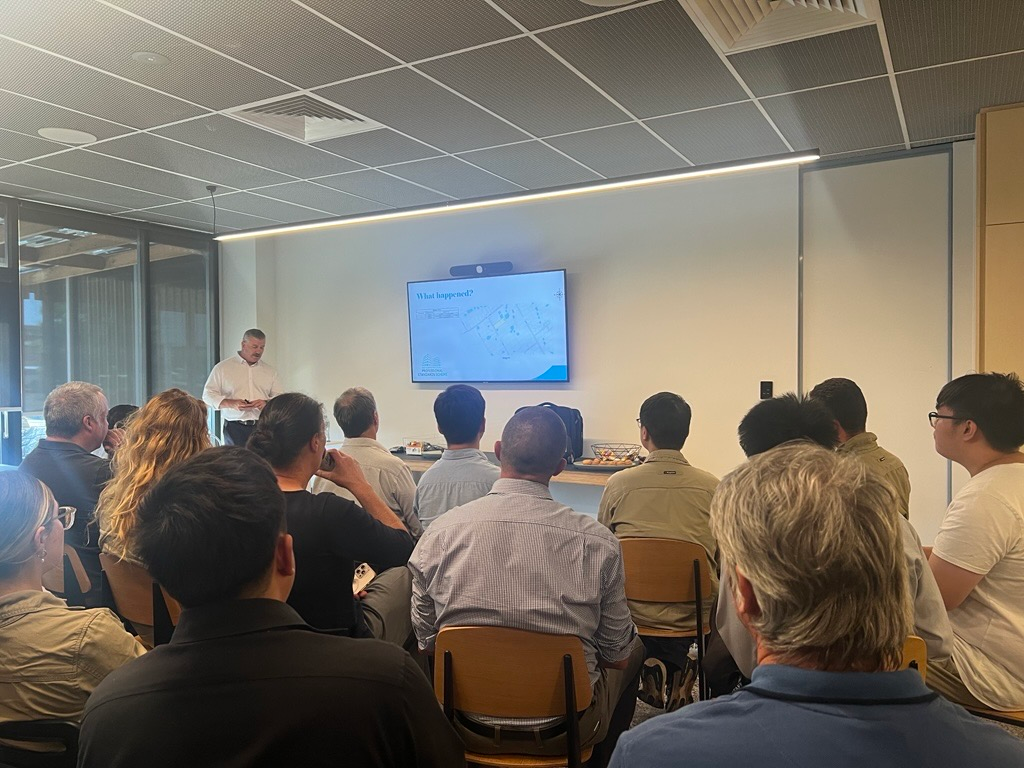
For surveyors, the PSS may also provide civil liability caps (subject to legislation), offering an additional layer of protection when combined with strong compliance practices.
However, it is important to note that the PSS is not a substitute for diligence. Its protections rely on practitioners maintaining robust internal systems and adhering to professional standards. Participation reinforces discipline it does not replace it.
How Surveyors Can Protect Themselves
In a regulatory environment of increasing scrutiny, surveyors can safeguard their practice by:
- Embedding early-stage fire safety verification into every project
- Implementing peer review or secondary sign-off processes for critical certifications
- Maintaining comprehensive documentation of design reviews and inspection findings
- Investing in continuing professional development focused on evolving fire safety standards
- Participating in structured frameworks such as the Professional Standards Scheme
Professional credibility is built on consistency, documentation and discipline.
Strengthening Trust Through Standards
This Western Australian case serves as a timely reminder that certification carries significant responsibility. Accurate verification is not only about compliance, it is about protecting occupants, maintaining public trust and upholding the integrity of the profession.
Early checks, structured systems and adherence to recognised professional standards, including participation in the Professional Standards Scheme are practical and powerful ways surveyors can reduce liability, protect public safety and reinforce confidence in their services.
For further industry insights and risk management guidance, visit acsis.com.au.